Why landlords court these tenants for hard to fill boxes
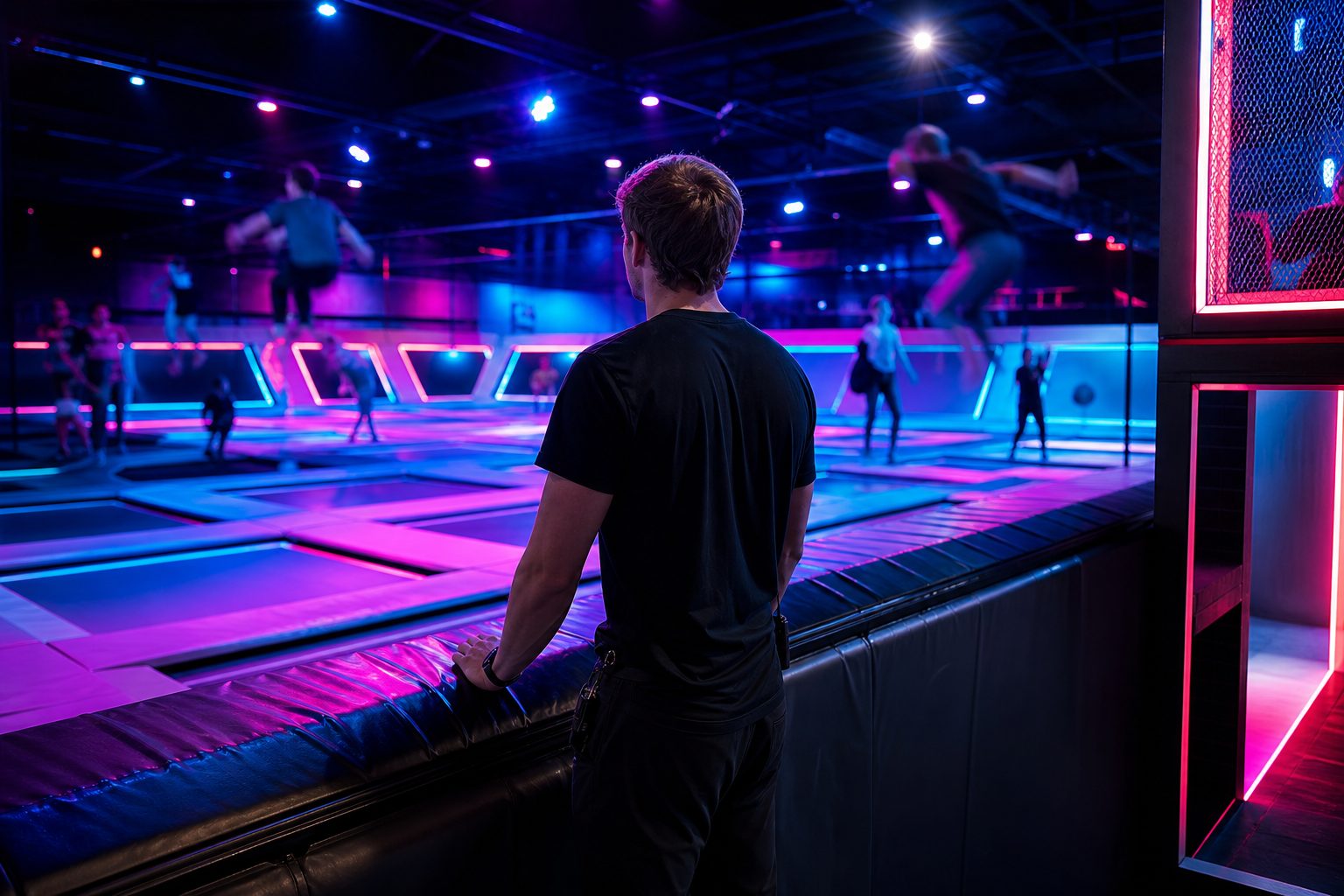
Big box retail vacancies are a familiar sight in many suburbs and malls. Traditional retail tenants have pulled back, but landlords still have debts to service and sprawling shells to fill. Action venues like trampoline parks, climbing gyms, and axe throwing centers offer a solution. These operations can put tens of thousands of square feet to productive use, often in buildings that would otherwise sit dark.
Landlords prize these tenants for more than just their rent checks. Entertainment venues bring steady foot traffic and attract families, teens, and young adults. This traffic often spills over into neighboring stores or restaurants. In shopping centers with empty anchors, operators are sometimes the only realistic option for a full-building lease. The appeal goes both ways: these spaces often have the ceiling height, open floorplans, and parking access required for action sports or group bookings.
Unlike traditional retail, entertainment venues usually require more extensive buildouts. This means longer lease terms, often seven to ten years, which can bring stability to a struggling center. Some landlords even contribute to tenant improvements, hoping for a win-win that boosts income and property value.
Keep reading: A Saturday on the Court: How Trampoline Park Shifts Run
Change of occupancy from mercantile to assembly, and what it triggers
Most empty big boxes are classified as mercantile spaces, designed for the sale of goods. When an operator converts one to an action venue, the occupancy changes from mercantile (Group M) to assembly (Group A) under building codes. This change brings new requirements during permitting and inspections.
Assembly spaces are held to a higher standard for occupant safety. The code expects more people in a given area, so exits, fire alarms, and emergency lighting face closer scrutiny. Depending on local rules, you may need wider egress routes, extra exit doors, or fire-rated corridors. If your venue plans to serve food and beverages, kitchen buildouts may also trigger health department reviews.
Fire marshals and building officials review plans to make sure the venue meets assembly standards. The process may add weeks or months to your timeline. Operators should budget for permit delays and specialized consulting, especially if the local authority has little experience with entertainment uses.
Clear height, column spacing and slab capacity by venue type
Trampoline parks and climbing gyms: high clearance required
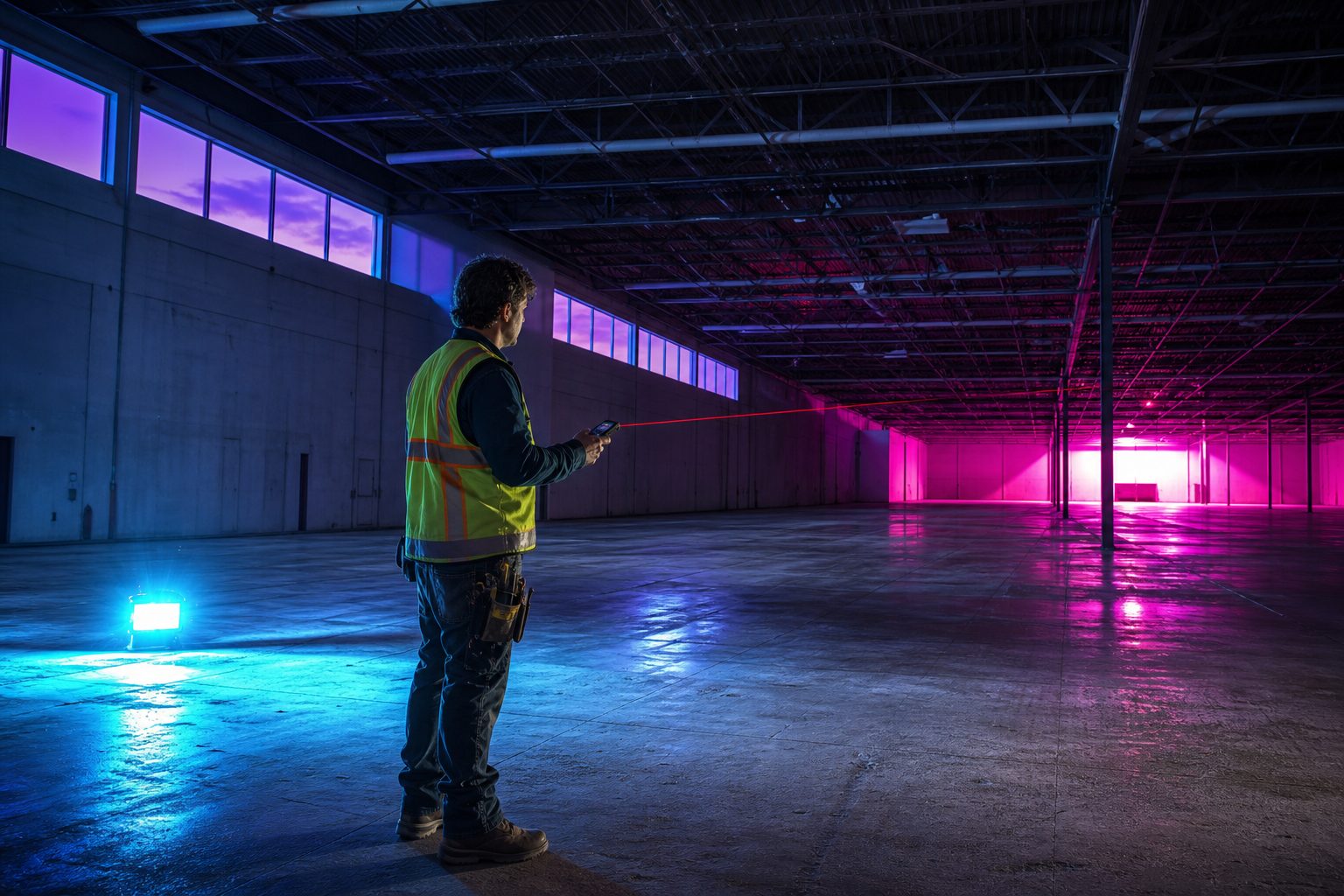
For trampoline parks, clear height is central. Operators need 18 to 24 feet from slab to bottom of joists to safely accommodate pits, trampoline beds, and overhead structures. Even higher ceilings are needed for climbing gyms. A lead climbing wall often stands 40 feet or more. Old department stores with dropped ceilings may need extensive demolition to reach the roof deck.
Column spacing matters. Closely spaced columns disrupt open activity zones and reduce sight lines. Ideal spaces have columns set 40 feet apart or more, which is common in anchor boxes built for retailers. In some older stores, columns are tighter, which can limit layout options or increase buildout costs.
Axe throwing and escape rooms: more flexible footprints
Axe throwing operations and escape rooms can adapt to lower ceilings and irregular columns. These venues often divide space into smaller rooms or lanes, making them less sensitive to box geometry. For axe throwing, slab capacity matters: heavy impact requires a solid base, so operators check for at least a standard retail slab thickness. Most old big box slabs suffice, but if the floor has been cut or damaged, repairs may be needed.
In trampoline parks and climbing gyms, slab strength becomes more critical if heavy equipment or large footings are needed. Core drilling for pit construction can reveal surprises like voids or thin spots, especially in older shells. It pays to inspect and test before signing a lease.
Keep reading: Liability Waivers by State: Where Pre-Injury Releases Fail
Sprinkler coverage and HVAC load once you build tall structures inside
Fire suppression upgrades
Assembly use means denser crowds and more complex structures. Many big box shells come with basic sprinkler grids designed for retail shelving. When you add climbing walls, mezzanines, or trampoline pits, sprinkler heads may need to be moved or added to maintain coverage above and below every platform. Tall features can create "shadowed" areas where spray doesn't reach, which is a code violation.
Retrofitting a sprinkler system can be expensive and time consuming. Some venues have to add new piping, pumps, or even a water tank to meet flow requirements. If the building is on a municipal line with low pressure, upgrades can be significant. It is wise to bring in a fire protection engineer during planning, not after construction starts.
Heating and cooling loads
Big boxes were built to keep shelves and shoppers comfortable, not hundreds of active guests in open zones. Once you open up ceilings and add large crowds, HVAC loads rise sharply. Trampoline parks and climbing gyms generate a lot of body heat, and open layouts make it hard to zone temperature. Existing rooftop units may not be sufficient.
Upgrading HVAC means checking ductwork, unit capacity, and even structural support for heavier equipment. Some landlords help with these costs, but many leave them to the tenant. Utility bills will be higher than a typical retail store, so energy efficiency during design pays dividends later.
Parking ratios and restroom fixture counts under assembly use
Parking requirements
When a space switches from retail to assembly, the local code may require more parking. Most cities base parking minimums on square footage and occupancy type. An anchor retail box might have required four spaces per thousand square feet, while an assembly use could trigger six or more. The actual need depends on how many guests your venue can hold at peak times.
Overflow parking is a common challenge. Operators often negotiate rights to use neighboring lots or off-peak spaces, especially in malls with multiple anchors. Shared use agreements can satisfy city requirements, but they need to be spelled out in the lease. In some cases, parking minimums can be waived if public transit is available, but this is rare outside urban centers.
Restroom fixtures
Assembly use triggers higher restroom fixture counts. Most codes set a minimum number of toilets and sinks based on maximum occupancy, which is higher for action venues than retail. For a 30,000 square foot trampoline park, you may need three or four times as many fixtures as a typical box store. This often means building new restrooms or expanding existing ones.
Plumbing upgrades can be costly. Bringing new lines to distant parts of a large shell is disruptive, and adding fixtures may require breaking concrete and trenching. The cost and timeline should be factored in during lease negotiations, especially if the landlord is funding improvements.
See how BookAndWaive handles this for attractions and entertainment
Tenant improvement allowance, free rent and percentage rent
Tenant improvement allowance
Landlords expect action venues to invest heavily in buildout. To sweeten the deal, many offer a tenant improvement (TI) allowance, which pays for some construction costs. The size of the allowance depends on lease length, creditworthiness, and the competitiveness of the market. Operators should clarify exactly which costs the allowance covers, such as flooring, walls, HVAC, restrooms, and fire protection.
TI allowances are often paid out as reimbursement after work is completed and inspected. This means tenants need cash flow or financing to bridge the gap. Some landlords also offer a "turnkey" buildout, managing the construction themselves. This can reduce hassle but may limit design choices.
Free rent and percentage rent
Free rent periods are common in big box conversions, often ranging from a few months to a year, depending on the scale of construction. This gives operators time to fit out the space, obtain permits, and launch marketing before rent comes due. Sometimes free rent is tied to permit milestones or certificate of occupancy, rather than a calendar date.
Percentage rent clauses, where the tenant pays a share of gross receipts above a certain threshold, are less common in action venues than in retail, but they do occur. These arrangements can align incentives, but operators need to be careful about how gross sales are defined and what exclusions apply. Reporting requirements and audit rights should be clear.
Co tenancy and exclusive use clauses worth fighting for
Co tenancy
Co tenancy clauses protect tenants if anchor stores or key neighbors leave. In mall settings, a trampoline park may rely on steady foot traffic from a grocery or cinema. If those anchors close, the park's business can suffer. A good co tenancy clause lets the operator reduce rent, or even terminate the lease, if specified co tenants vacate or if vacancy rates rise above a set threshold.
Landlords sometimes resist strong co tenancy language, especially in struggling centers. Still, it is worth negotiating, particularly if your venue draws from the same customer pool as other anchors. Even a limited rent reduction can provide needed relief if the center empties out.
Exclusive use
Exclusive use clauses prevent the landlord from leasing to direct competitors within the same property or center. For example, a climbing gym may seek exclusivity against other gyms, trampoline parks, or even fitness centers with similar attractions. Without this protection, a landlord could lease nearby space to a rival, diluting your market share.
Operators should define exclusivity carefully, focusing on the specific activities or age groups they serve. Overly broad clauses may be rejected by landlords, but targeted language often succeeds. Enforcement mechanisms and remedies for breaches should also be discussed at the lease stage.
What the next round of these deals is likely to look like
As retail contraction continues, more landlords are warming to entertainment uses for their largest spaces. Action venues bring stability, attract new customers, and help reposition aging centers. At the same time, operators are becoming savvier about negotiating for TI funds, flexible rent, and protections against anchor closures or overlap with competitors. Municipalities are also adapting, with some streamlining assembly permitting for these uses.
Going forward, expect more hybrid deals: shorter free rent periods but higher improvement allowances, tighter co tenancy triggers, and creative parking or fixture solutions. Many venues will seek to maximize revenue per square foot by layering escape rooms, arcades, or party rooms into their layouts. With larger crowds and complex check-in needs, digital tools that combine booking, per participant waivers, and contactless entry will become standard. This approach smooths the guest experience and helps operators manage risk, especially in converted big box settings.