What the belay test is really screening for
Belay certification in a climbing gym exists to catch dangerous habits before they can put someone on the ground. The test is not about proving skill for its own sake. It's about whether a climber can reliably perform a set of actions that keep their partner safe, even when distracted or under pressure.
Most gyms have seen accidents that come down to a missed check, a misthreaded device, or a communication breakdown at the wall. The point of the certification is to find these before they lead to an incident. A competent belayer knows the steps by heart, thinks to double check, and can be trusted with another person's life. That's what the test must verify.
Keep reading: Axe Throwing Opening and Closing Checklist for Every Lane
Top rope, lead and auto belay: three separate sign offs
Every climbing discipline requires a different set of skills and presents unique risks. Top rope belaying, lead belaying, and auto belay use share some basics, but a single test cannot cover them all. Most gyms maintain separate sign offs for each, tracked individually in the customer record.
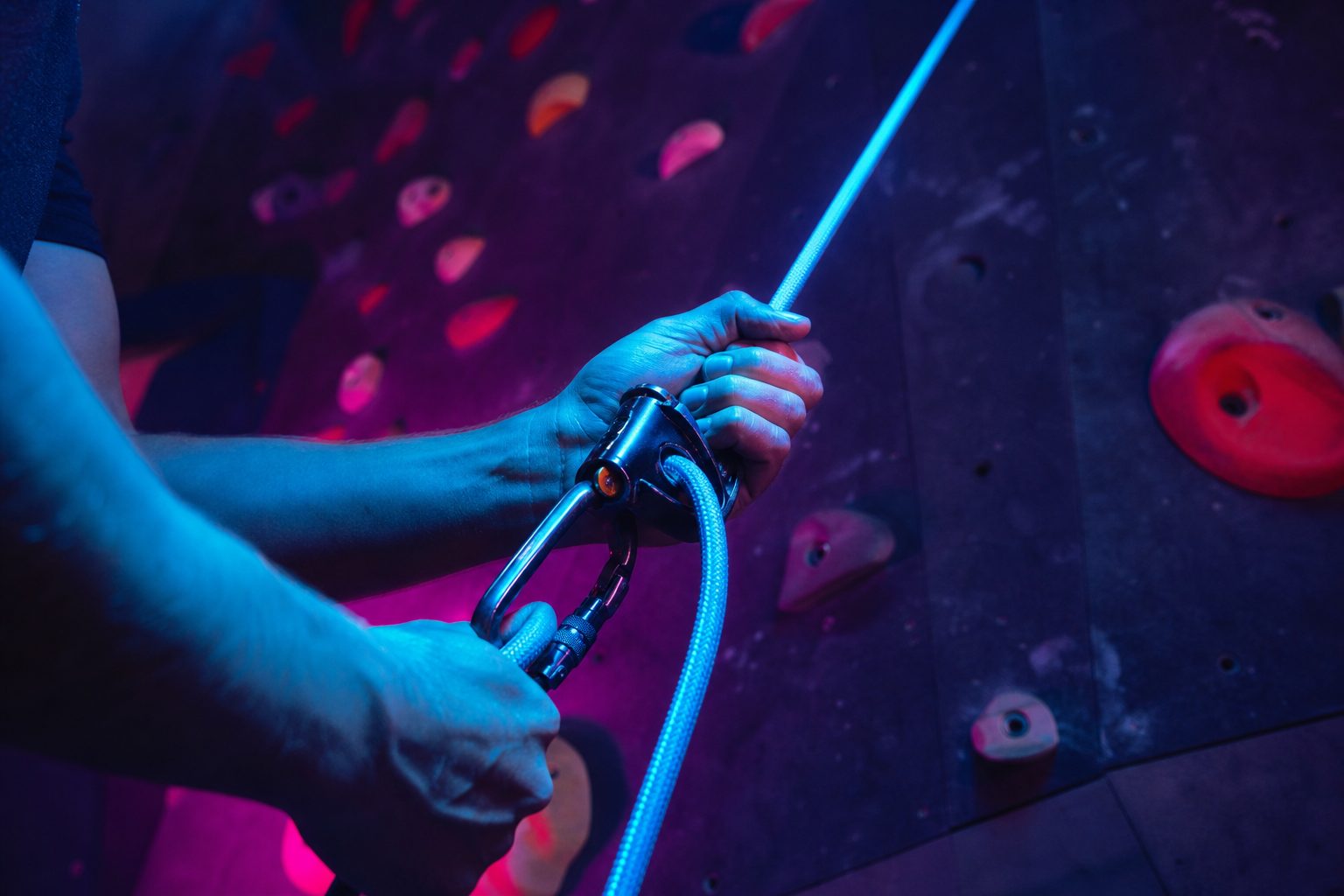
Top rope belaying is the starting point. It covers harness use, device threading, belayer stance, and lowering. Lead belaying adds dynamic rope management, clipping, and catching falls. Auto belay sign off is often overlooked, but it covers proper harness checks, device attachment, and fall zone awareness. A climber may pass one and not the others, and the gym's records must reflect this clearly.
Keeping these sign offs separate makes it simple for staff to see at a glance which walls or routes a climber is cleared for. It also protects the gym by showing due diligence if there's ever an incident or insurance claim.
Writing the test script so every staffer runs it the same way
If two staffers run the same test and give different results, it undermines the entire process. The only way to guarantee consistency is with a written test script, broken down step by step. Each part should have a clear pass or fail outcome that leaves no room for debate.
For example, during a top rope test, the script might start with harness fit and knot tying, followed by threading the belay device, then partner checks, belaying up and down, and communication. Each step is observed and checked off before moving on. If a candidate fails a step, the staffer knows exactly when and why to stop.
The more detailed the script, the less likely you are to see "soft passes" or overlooked errors. Training new staff to use the script is just as important as writing it. Periodic reviews keep testers from drifting into shortcuts.
Harness fit, closed system knot and the partner check habit
Harness Fit
A proper harness fit is non-negotiable. The tester must confirm that the harness is snug above the hips, all buckles are doubled back (if required by the model), and there's no slack that could cause the harness to slip. Many gyms require the climber to demonstrate putting on the harness themselves, not just wearing one that was already fitted.
Closed System Knot
The figure eight follow-through is the standard, but the real issue is whether the system is closed, no open ends, no incomplete tie-ins. The tester should ask the climber to tie in from scratch, check tail length, and look for common errors like skipping a loop or not dressing the knot. For auto belay, the focus shifts to proper carabiner use and double-checking that the device is attached to the belay loop, not a gear loop.
Partner Checks
The partner check must become habit, not just a box to tick during the test. The tester should look for real engagement: does the climber check their partner's knot and harness, and do they expect the same in return? A scripted prompt ("What do you check before leaving the ground?") can help reveal whether the check is automatic or just for show.
Keep reading: Escape Room Math: Slots, Fill Rate, and Break-Even per Room
Tag colors and wristbands the floor staff can read at a glance
Once a climber passes the appropriate test, they need a visible indicator of their status. Most gyms use tag systems clipped to harnesses, helmet stickers, or colored wristbands. Each color or pattern corresponds to a specific sign off, top rope, lead, auto belay, or combinations.
The key is immediate clarity for floor staff. If someone starts to tie in for lead climbing without the right tag, it's an instant red flag. During busy hours, staff don't have time to check software or paper logs for every climber. A visible, tamper-resistant tag makes enforcement practical and supports a culture of accountability on the floor.
Tags should be robust enough to survive regular use but easy for staff to swap out if a climber's status changes. Laminated cards and vinyl wristbands both last longer than paper. Some gyms also use temporary paper tags for day passes or visiting groups, with different colors for group leaders or chaperones.
Lapse windows and when a returning member gets rechecked
No one stays sharp forever without practice. Most gyms set a window after which a climber must retest before regaining belay privileges. The length of the window varies. Some use six months, others a year. The policy needs to be clear and enforced evenly.
For example, if a member hasn't used their lead tag in eight months, staff will require a full lead belay retest. The system must prompt the check at the time of check-in or when the climber requests a tag. Returning members often assume their old status carries over, so the policy must be explained during orientation and posted on the website and at the front desk.
Rechecks can be shorter than initial tests, but they should cover the essentials: harness fit, knot, device threading, belay technique, and partner checks. A brief written quiz on gym policies or new equipment can catch changes made since the last test.
See how BookAndWaive handles this for attractions and entertainment
Calibrating your testers so a pass means the same thing on every shift
The hardest part of running a consistent belay certification process is tester calibration. Even with a script, staff may interpret borderline cases differently. One tester might let a minor slip go, while another fails the climber for the same error. Over time, this can erode the standard and create tension among staff and members.
Regular calibration sessions help keep everyone aligned. During these, testers observe each other conducting tests and compare notes on what counts as a pass or fail. A short debrief afterward identifies areas of disagreement. Some gyms use video examples to show "gray zone" cases and build consensus. Written policies back up these discussions and give testers something to reference in the moment.
Staff turnover can make calibration a moving target. New hires should shadow experienced testers for several shifts before running tests solo. Ongoing feedback and spot checks keep everyone on the same page. The aim is for a member's pass to mean the same thing whether they test on Monday or Saturday, with any staffer.
Failing a climber without losing the customer
Most climbers take a failed belay test personally. Handled badly, it drives away members and triggers complaints online. The right approach is to make the process about safety, not judgment. Staff should explain that the test is there to protect everyone, not to embarrass anyone.
A good script for failing a test is direct but supportive: "I saw a mistake with your knot, and that could cause a dangerous situation on the wall. Let's review it together. You're welcome to practice as much as you like and retest when you feel ready." Some gyms offer brief remedial coaching or direct the climber to scheduled clinics. A calm, matter-of-fact tone prevents defensiveness and keeps the door open for a future pass.
Document every failed attempt, including which step led to the failure. This protects the gym and gives staff a way to track progress if the climber returns for another test. The focus should always be on helping the member succeed, not just enforcing rules.
How digital checklists and waiver integration keep the process watertight
Belay certification is only as strong as the records behind it. Paper logs and manual checklists create gaps, lost forms, illegible notes, or missed retests. A digital system that links booking, waivers, and participant check-ins gives staff instant visibility into each climber's status. This streamlines recertification, supports clear documentation if questions come up after an incident, and ensures every participant has individually acknowledged the risk and passed the right checks.